
..........................................................................................................................................................................................................
getting there
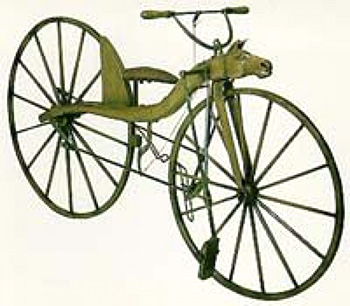
there is much conjecture and international discussion as to who is responsible for inventing the bicycle. while it's more than possible no single person or country can take all the credit, my parochial observations are very definitely in favour of the dumfries blacksmith, kirkpatrick macmillan. born in 1812 in keir, near the town of dumfries in southwest scotland, he's the chap that is most often credited with the invention of our current pride and joy, though it's debatable if he'd ever heard of taiwan, and most certainly not of the yet to be invented carbon fibre.
it is somewhat of a truism that as soon as anything with wheels springs to light, someone will probably race it; that's very much a part of human nature. macmillan, however, had more sedate purposes in mind. in 1839 he allegedly completed building a wooden bicycle including iron-rimmed wooden wheels, the front version of which was steerable, while the larger rear had rods connected to pedals for the purposes of forward propulsion.
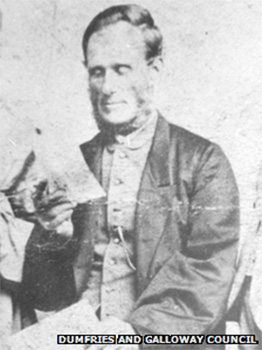
history also records that macmillan may well have been the very first cyclist to have been involved in a cycle accident. according to a report of the time "a gentleman from dumfries-shire... bestride a velocipede... 'of ingenious design" knocked over a pedestrian in the gorbals and was subsequently fined five shillings. it seems they even blamed cyclists in the 19th century. however, doubt has been cast on this story due to the fact that the newspaper uncharacteristically referred to a blacksmith as a 'gentleman.'
currently the road distance between dumfries and glasgow is recorded at just over 76 miles, driveable in a tad under an hour and a half. i'm pretty sure a scotsman astride a wooden rimmed bicycle would have taken a bit longer to get from south to north, taking into account the fact that 19th century roads were unlikely to have been either as direct or as well surfaced, and i figure we'd be looking at a two or three day trip. and that last word places both macmillan's invention and purpose into perspective.
while mostly we speed around our respective principalities on narrow rubber-tired carbon or metal velocipedes, defensively maintaining that we are attracted by the colour/shape/shinyness or lightness of being, while all the while mentally equating ourselves with cav, sir wiggins or any other of the professional peloton, kirkpatrick was simply getting there.
i received an e-mail today from a couple formerly of edinburgh who have, by their own admission, been 'cherry picking the best places in the world to cycle.' unless they've a plane, train or ferry to catch at journey's end, speed is an entirely relative and not altogether important term, nor has it been across the 41,000 kilometres they've already pedalled.
in my opening gambit just the other day, intent on riding to debbie's for a seasonal mug of froth, i took the only road through bridgend. a couple of metres past islay estates' office and the road to mulindry, there is a most inviting tunnel of trees forming one of the remaining parts of bridgend woods. on an island regularly blasted by atlantic squalls, it's one of the few agglomerations of trees on the island. several years ago, the estate culled one or two of them behind the stone wall and close to the left side of the road to make room for a foot/cycle path leading to the hotel, bridgend stores and the bowling green.
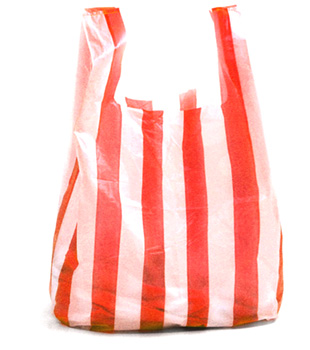
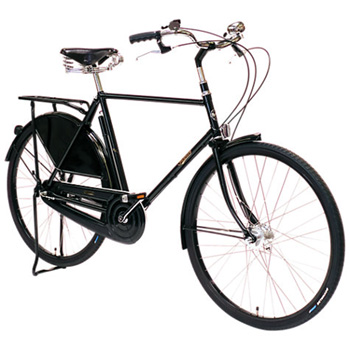
though not a particularly heavily trafficked path, as i sped past clad in the finest of cycling apparel, gloved hands on the hoods and feet clipped into a pair of crank brothers' eggbeaters, i noticed a rider on a sit-up-and-beg heading along this path in the opposite direction with a carrier bag over one handlebar and a newspaper grasped firmly in one hand. granted, this is hardly the finest example of safe cargo carrying i've seen, but given the speed of travel (minimal), their apparent obliviousness to a potential accident seemed most equitable.
i would be stretching credibility just a smidgeon to contend that a 30km round trip for a toastie and a cup of cappuccino could be filed under the heading of essential. nipping to the shops to grab a loaf, milk and one or two other necessities, along with a copy of the daily newspaper, strikes me as one of the very reasons the bicycle has remain mostly unchanged over the centuries, yet never fallen out of favour. the desperately sad film the bicycle thieves is ample demonstration of one period in recent history where life was pretty much dependent on owning a bicycle.
if all comes to pass that is prophesied for the world, it's just possible that the same situation may come to pass once more. just remember that the bicycle has uses other than paris-roubaix.
sunday 29 december 2013
 ..........................................................................................................................................................................................................